USAID Tunoze Gusoma (Schools and Systems) activity
Funding Partner: U.S. Agency for International Development (USAID)
Principal Investigator: Adrienne Barnes-Story, Ph.D.
Project Announcement
FHI 360, Save the Children International, and Florida State University are working with the Rwanda Basic Education Board (REB) and the National Examinations and School Inspection Authority (NESA) to ensure that literacy instruction of Kinyarwanda (an official language in Rwanda) in pre-primary and lower primary schools is high quality, inclusive and effective. Building on previous projects funded by the U.S. Agency for International Development (USAID) for improving literacy among primary school students, FHI 360 and its partners will carry out the USAID Tunoze Gusoma (Schools and Systems) activity to bridge gaps in access to educational resources and incorporate research-based instruction and assessments in classrooms, with the goal of ensuring that more children meet Kinyarwanda literacy benchmarks.
The project is expected to enhance the pre-primary education system to develop, promote and improve students’ emergent language and literacy skills, as well as strengthen the lower primary education system, school environment and classroom instruction to improve students’ literacy outcomes. FHI 360 is supporting the REB and NESA to strengthen literacy assessments and their use in decision-making.
A large part of strengthening the pre-primary and lower primary education systems is supporting teachers’ professional development. FHI 360 and its partners are developing and delivering pre-service and in-service professional development programs for teachers, which cover literacy instruction, assessment and remediation; blended learning; socio-emotional learning; and inclusive teaching practices. Working with the REB and NESA, FHI 360 is using social and behavior change strategies to positively influence teachers’ attitudes toward new teaching practices.
2022 Update
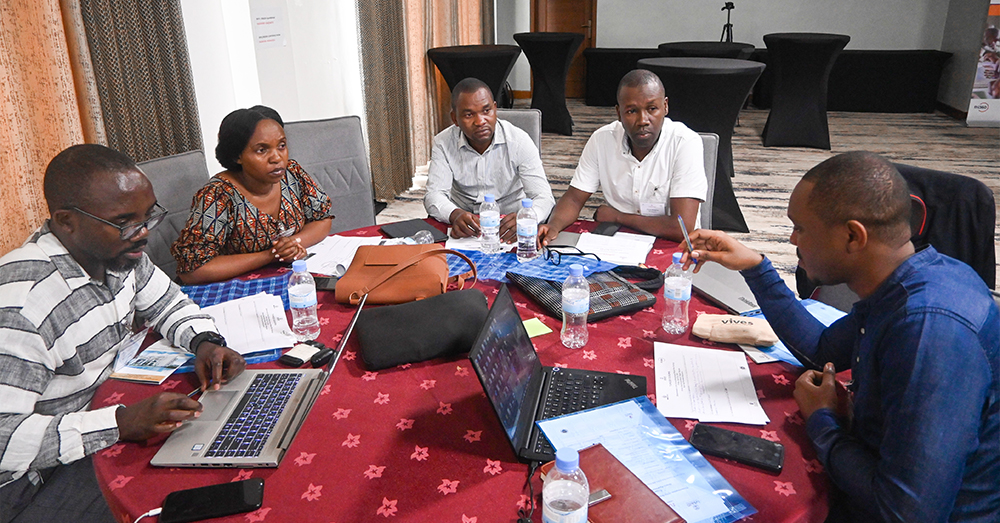
Several members of the LSI international team supported the USAID-funded project, implemented by FHI360, based in Kigali, Rwanda. LSI supported the Rwanda Education Board (REB) in rolling out training for a previously developed module on teaching literacy skills in the Kinyarwanda language. The training was delivered to approximately 70 instructors from Teacher Training Colleges (TTCs) across Rwanda. Next, the team completed a Baseline Situation Assessment (BSA) of teacher education programs and a Rapid Situation Assessment (RSA) of the Teaching Practice/School Attachment program being implemented at 16 TTCs. These findings were presented to 50 national stakeholders and used to develop and deliver the first two weeks of a Foundational Literacy Course for TTC tutors who teach Kinyarwanda literacy courses. Approximately 50 TTC tutors have received the first two weeks of training, and this professional development program will continue for two more sessions in the upcoming year. Finally, the LSI team worked closely with the REB to establish a Teaching Practice Advisory Group. This group will review and refine the Teaching Practice Framework, including the materials used by student teachers, mentor teachers, and TTC supervising tutors during the practicum. The revised Teaching Practice Framework will be scaled up to all Teacher Training Colleges in Rwanda.
2023 Update
The United States Agency for International Development (USAID) Tunoze Gusoma (Schools and Systems) Activity supports the Ministry of Education (MINEDUC) in ensuring that the Kinyarwanda literacy environment for all pre-primary and lower primary schools and classrooms is high-quality, inclusive, and utilizes best practices in teaching and learning foundational literacy skills.
In December of 2023, the team finished piloting a new model for School Attachment (SA) at Teacher Training College (TTC) Bicumbi, TTC Mbuga, and TTC Mururu. This pilot aimed to strengthen the capacity of student teachers (STs) to transition into full-time teaching, deliver a Competence-Based Curriculum, and perform effectively in the classroom.
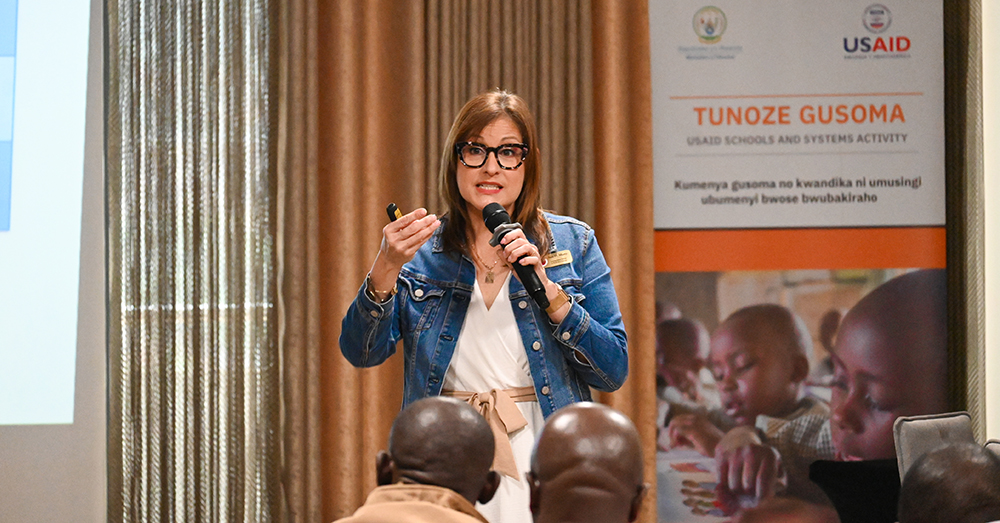
The work has continued in 2024. In January, the pre-service team engaged 32 tutors from all 16 TTCs, one REB staff, two NESA staff and one MINEDUC staff in a pedagogical training focused on pre-primary literacy education. The training was led by LSI's Dr. Marion Fesmire and Dr. Ana H. Marty, who conducted the activity to build the capacity of tutors of the pre-primary (ECE) literacy teaching methods so that they can make their lessons more practical by using evidence-based practices for emergent literacy instruction.
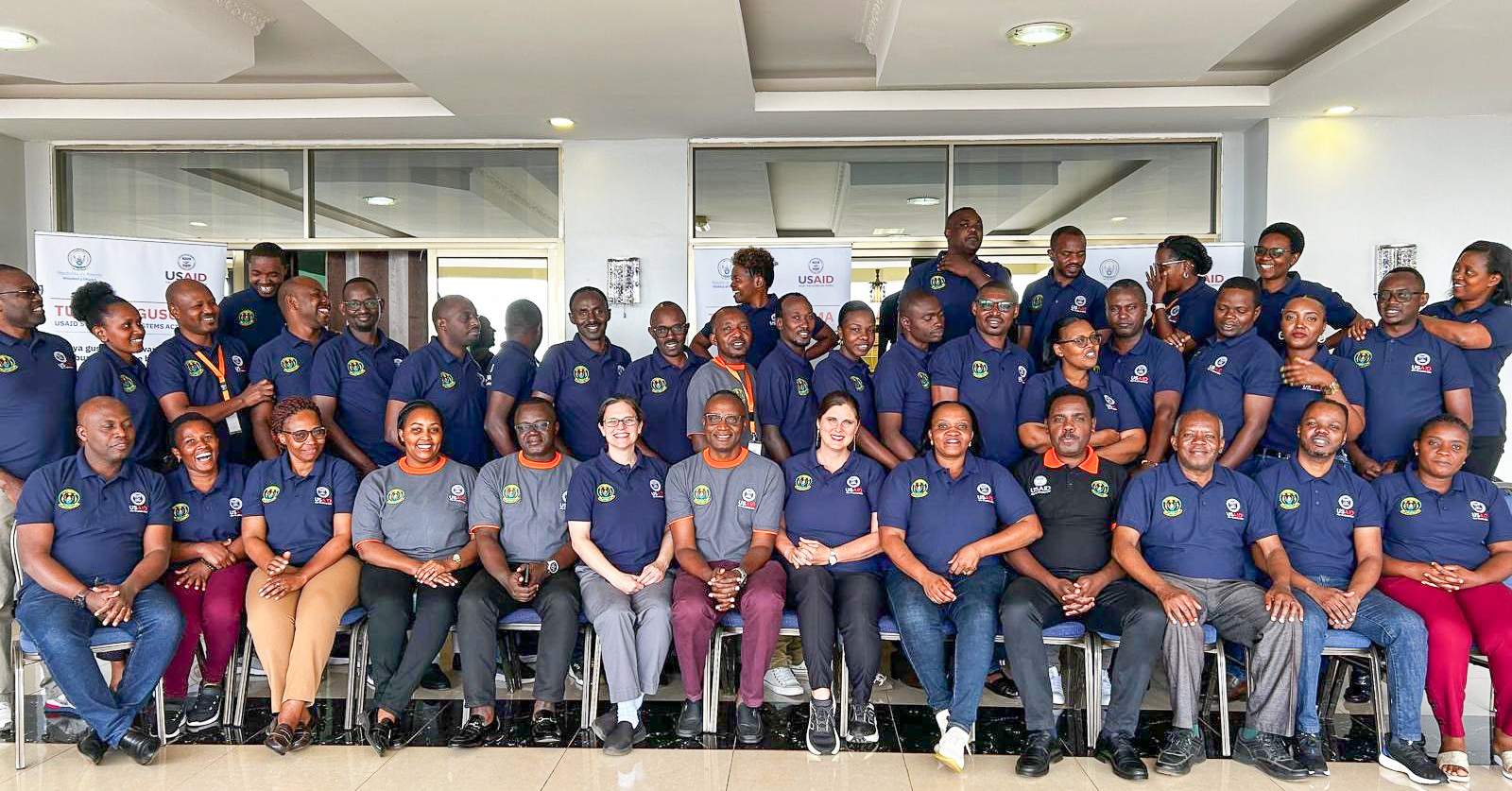
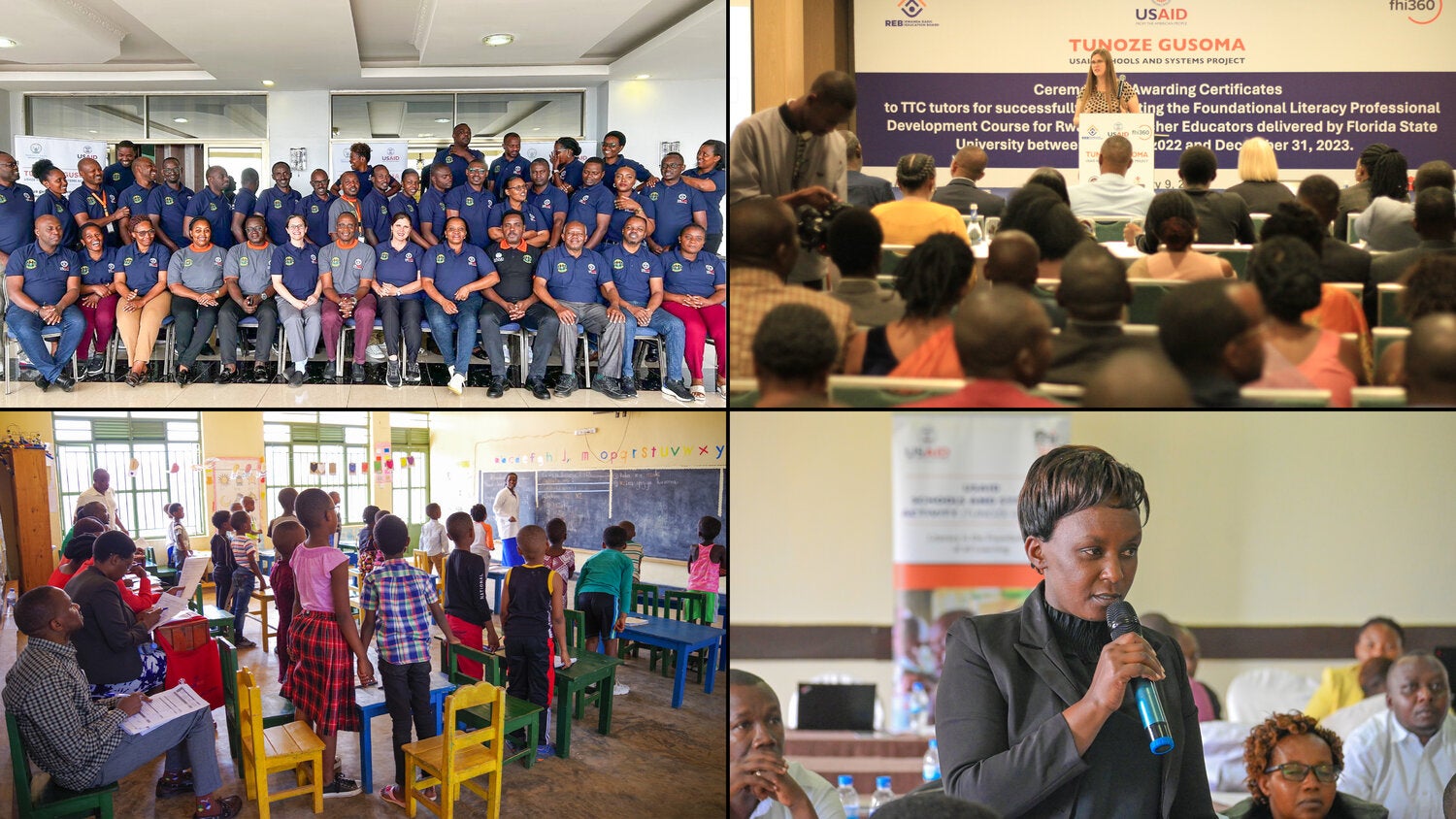
Tunoze Gusoma held a Certificate Awarding Ceremony for 42 TTC tutors who participated in the Foundational Literacy Professional Development Course offered by Florida State University. The ceremony was held in February in Kigali. A Certificate of Completion with Distinction was awarded to 34 tutors who attended all professional development sessions and completed all course assignments, achieving a score of 80 points or higher.
2024 Update
The Rwanda Tunoze Gusoma (Schools and Systems) activity was funded by USAID from October 2021 to February 2025 and implemented by Family Health International, Save the Children, and LSI. The overarching goals of the program were to support the Ministry of Education to ensure that the Kinyarwanda literacy environment, for all pre-primary and lower primary schools and classrooms, is of a high quality, inclusive, and utilizes best practices in the teaching and learning of foundational literacy skills. LSI’s role in the consortium was to improve the preparation of teachers for both early childhood and lower primary school classrooms.
Over the life of the project, LSI faculty provided continuous professional development training to 32 teacher educators who instruct early childhood coursework and 43 teacher educators who instruct lower primary coursework at the 16 teacher training colleges (TTC), as well as 36 education leaders who support the TTCs. Additionally, the team supported the Rwanda Education Board (REB) to reform the Teaching Practice and School Attachment framework. A technical group referred to as the Teaching Practice Advisory Group met multiple times across project years to revise the framework to integrate six elements: high-quality training for all stakeholders, school selection by TTCs, regular observations by teacher educators, collaboration among stakeholders, mentoring and coaching, and monitoring and accountability.
At the time of project closure, LSI faculty were supporting REB to revise the TTC curriculum for lower primary and early childhood literacy-related coursework and nationally scale-up the reformed Teacher Practice and School Attachment Framework.